




5 Ways Onsite Occupational Medical Care Benefits Your Business
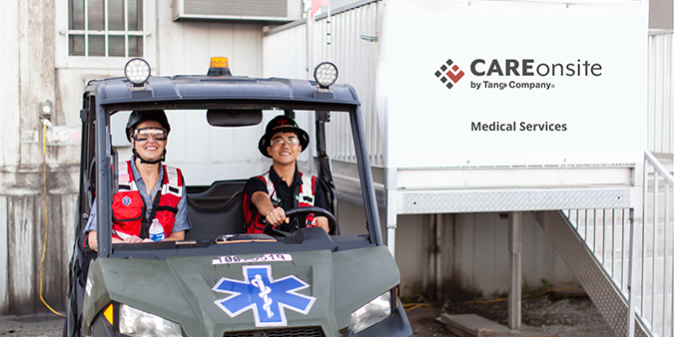
Discover how customized onsite occupational medical care reduces costs, improves outcomes, prevents injuries, and boosts morale and productivity.
April 2, 2026





Author: Joseph Christian
April 2, 2026
In safety-sensitive industries, occupational health solutions aren’t optional; they’re essential. The cost of inadequate care can seriously damage your business, from rising workers’ compensation costs to lost productivity and increased risk of serious injuries.
If you’re looking for a better way to care for your workforce, onsite medical care may be the strategic solution you need. When done right, it’s more than a convenience; it’s an investment that elevates employee health, strengthens safety culture, and improves business performance.
When workplace injuries happen, time is critical. Without onsite occupational health support, organizations face several challenges that can impact both employees and business outcomes:
Delays in Treatment
Off-site clinics, urgent care centers, and emergency rooms often mean long wait times, sometimes hours or more. These delays can turn minor injuries into major complications.
Lack of Occupational Expertise
Many off-site providers are unfamiliar with occupational health best practices. This can lead to unnecessary tests or treatments, driving up costs and keeping employees away from work longer than necessary.
No Proactive Injury Prevention
Without a medical professional onsite, opportunities to identify risks and prevent injuries before they happen are lost.
The result: Increased costs, prolonged recovery, and reduced productivity. Don’t leave your workforce feeling unsupported. Read on to explore five ways onsite care can benefit your organization.
1-Reduced Healthcare Costs
Immediate care saves money. Onsite medical care helps address injuries and illnesses immediately, preventing minor issues from becoming major and costly problems. For instance, when employees have access to onsite medical resources, conditions like muscle strains or minor injuries can be treated quickly, preventing them from becoming chronic issues.
Employers who implement onsite care often see significant reductions in healthcare and workers’ compensation expenses, thanks to timely treatment and preventive programs.
2-Better Injury Outcomes
When injuries do occur, immediate access to quality care will improve injury outcomes by reducing downtime and accelerating return-to-work timelines. An injury benefits no one, and immediate treatment helps prevent lost time, chronic issues, and potential disability. Organizations benefit from minimized work disruptions but also in better metrics for workplace safety, including lower incident rates and improved employee morale.
The best onsite care comes from a partner, like CAREonsite, who has a model with clear escalation pathways to senior-level providers, ensuring every case gets the right level of care. This results in faster recovery, fewer complications, and a healthier workforce that feels supported every step of the way.
3-Proactive Injury Prevention
Onsite medical professionals do more than treat injuries; they can help prevent them with effective injury prevention strategies. By working closely with your EHS team, onsite medical professionals can identify early warning signs of musculoskeletal issues, fatigue, and other risks before they result in an injury. Onsite teams can facilitate training sessions, ergonomics assessments, and wellness programs, further supporting a culture of safety.
Onsite teams build relationships with employees, creating an environment where workers feel comfortable sharing concerns about hazards, leading to safer worksites and fewer injuries.
4-Improved Worker Satisfaction and Morale
Visible health resources send a powerful message to your employees that their well-being is a top priority. When workers know they can access care immediately, and from someone they trust, they feel valued and supported.
This confidence in their health and safety boosts morale, strengthens engagement, and reinforces your organization’s commitment to doing the right thing for its people. Integrated occupational health programs contribute to higher employee satisfaction and organizational resilience, which translates into better retention and productivity.
5-Customized Care for Your Team
Every worksite is unique, and the right onsite provider understands that. When a good occupational health partner has a medical professional directly on your worksite, they can better integrate with your EHS team and tailor medical solutions to your specific environment and workforce needs.
A collaborative approach merges your operational expertise with their clinical knowledge to deliver seamless, integrated care. This partnership ensures your health strategy aligns with your business goals, elevating how you care for your team.
To get the most out of onsite care, don’t think of it as a service, but rather a strategic investment in your workforce and your business. By prioritizing accessibility and quality care, organizations can cultivate a healthier, more productive workplace.
If you’re ready to explore whether onsite care or another solution is right for your business, the CAREonsite team is here to help. Let’s start the conversation today.